
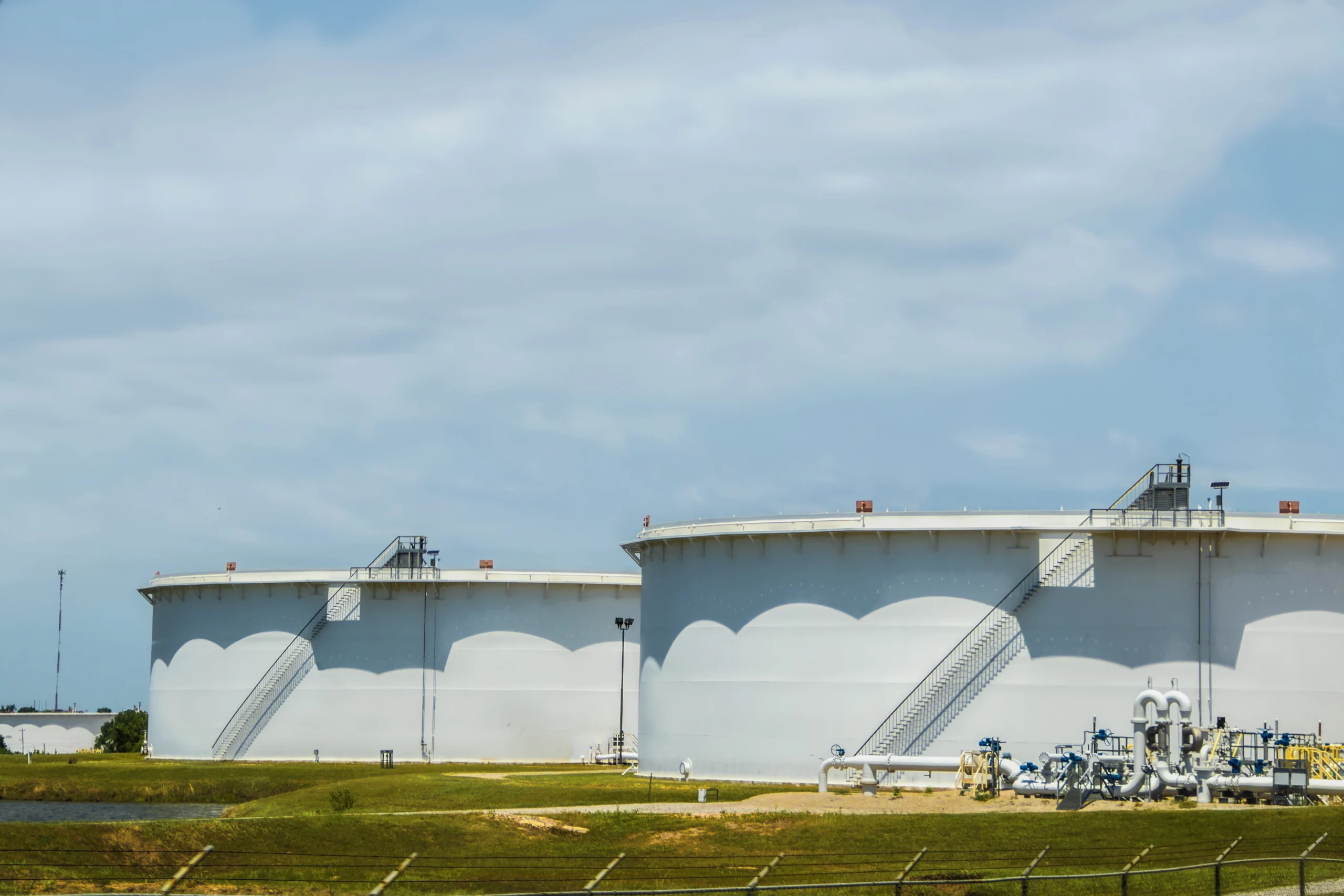
Pure Aviation has signed a transportation agreement covering approximately 79 miles of an existing crude oil pipeline linked to the Cushing hub. Once operational, the agreement is expected to allow the company to originate spot trades at one end of the corridor and move barrels to contracted storage and terminal locations at the other, using capacity that sits inside its established logistics, credit, and risk parameters.
The transportation rights are structured in clear capacity bands and scheduling windows, aligned with Pure Aviation’s current operating footprint and counterparties. The underlying infrastructure is owned and operated by established midstream providers; Pure Aviation’s role is to nominate, schedule, and manage movements under the agreement rather than to construct or operate new pipeline assets.
Within the approximately 79‑mile section, throughput expectations are calibrated to the company’s existing crude handling capabilities and operational controls. Volumes can be scaled up or down in line with market conditions, commercial demand, and standard regulatory clearances, rather than being tied to speculative or outsized targets.
The Cushing‑linked corridor connects into a network of third‑party terminals, storage, and blending facilities that Pure Aviation already uses within its North American operations platform. The focus is on tying transportation rights into known routes, established interconnection points, and proven procedures so that day‑to‑day execution remains within familiar operating parameters.
Operationally, movements under the agreement follow the same operating framework used for the group’s other crude and products flows: structured scheduling, banded throughput, and close coordination between logistics, trading, and risk oversight. Interfaces with storage, rail, and marine terminals are managed through existing procedures for nominations, quality assurance, and documentation, with the aim of moving barrels efficiently from inland hubs toward Gulf Coast markets and export options.
Securing transportation rights on this Cushing corridor segment is about adding a practical tool we can use inside the same operating and risk bands we apply every day, so we can reach more of the trades we already understand and manage.
The Cushing transportation agreement is governed under the same risk, compliance, and documentation framework that underpins Pure Aviation’s internal policies and oversight. Counterparty selection, contract approval, and operational setup are handled through established approval processes and standards, with a clear audit trail from initial evaluation through to live scheduling of movements.
Technical integrity, safety, and regulatory compliance for the pipeline itself remain the responsibility of the operator and associated midstream partners, who work under defined engineering, integrity, and monitoring standards. Pure Aviation focuses on ensuring that its use of the corridor sits cleanly within those frameworks and within its own governance for credit, market, and operational risk.
For counterparties and lenders who require more detailed information on how Pure Aviation expects to use this Cushing corridor capacity, or on similar transportation and logistics structures, please contact the company or request access to the digital data room.